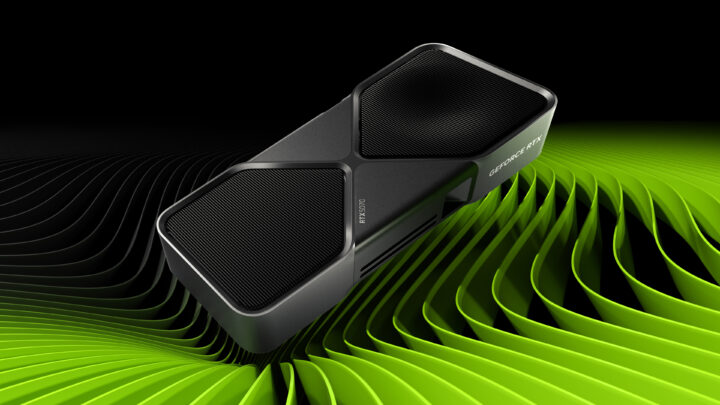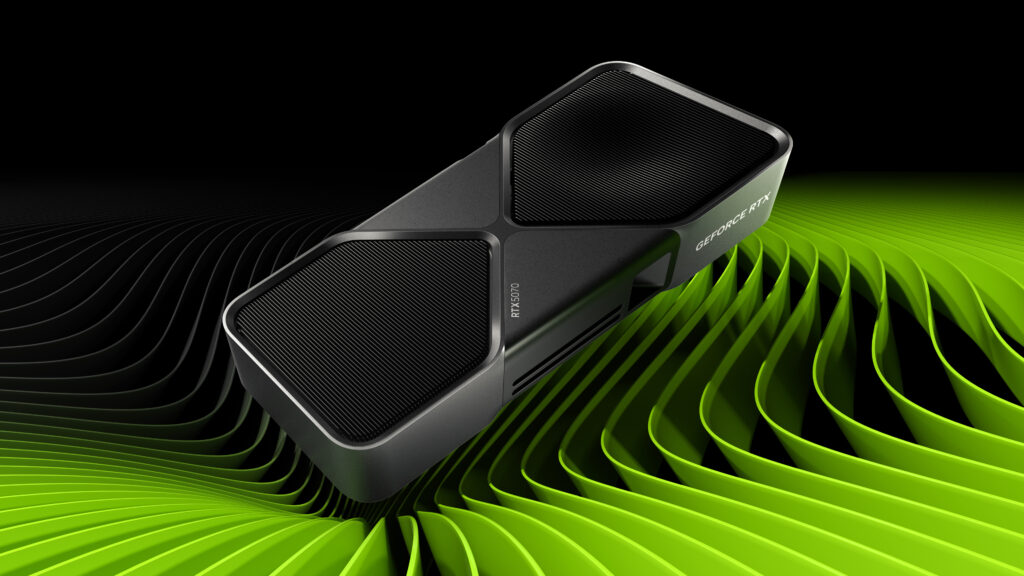

NVIDIA GeForce RTX 5070 is a upper-mainstream Blackwell graphics card aimed primarily at high-refresh 1440p gaming. This Product page records the official specification, launch pricing and the practical buying context used by 5000 Series. It is separate from our longer evidence-based Review, which assesses the card using cited independent testing rather than claiming hands-on testing.
Product overview
It pairs a relatively capable Blackwell GPU with 12GB of fast GDDR7. The feature set is modern and broad, but the capacity decision matters because this is a premium-priced card expected to handle demanding textures and ray-traced games for several years.
The card launched with a US suggested price of $549 and a UK launch price of £539. Retail prices can move sharply with stock, partner coolers and factory overclocks, so the retailer links below are presented as non-affiliate price checks rather than as permanent price claims.
Core specifications
- 6,144 CUDA cores across 48 streaming multiprocessors
- 12GB GDDR7 on a 192-bit memory interface
- 28Gbps memory speed and 672GB/s rated bandwidth
- 2.33GHz base clock and 2.51GHz reference boost clock
- 250W total graphics power; 650W recommended system power
- three DisplayPort 2.1b and one HDMI 2.1b display outputs
Gaming position
Independent testing places it as a strong 1440p performer and a usable 4K card when settings or upscaling are managed. The generational uplift over RTX 4070-class hardware is useful but not transformative at every resolution.
Twelve gigabytes is adequate for many current 1440p workloads, yet it is the card’s clearest long-term compromise. Very high-resolution texture packs, heavy ray tracing and some creator workloads can make the larger 16GB alternatives more comfortable.
Ray tracing, DLSS and creator features
As a Blackwell graphics card, NVIDIA GeForce RTX 5070 supports hardware ray tracing, NVIDIA Reflex and DLSS 4 features where a game implements them. Multi Frame Generation can lift displayed frame rates, but it does not replace strong native performance: image reconstruction, generated frames and latency should always be considered separately.
Its ninth-generation NVENC encoder and sixth-generation NVDEC decoder provide modern video support including AV1. That makes the card relevant not only to gaming but also to streaming, video export and creator applications whose acceleration paths support the installed GPU and driver.
Power, size and compatibility
A 250W rating is manageable for a modern gaming build, but cable routing still deserves care. NVIDIA specifies either two PCIe 8-pin plugs through the supplied adapter or a compatible 300W-or-higher PCIe Gen 5 cable.
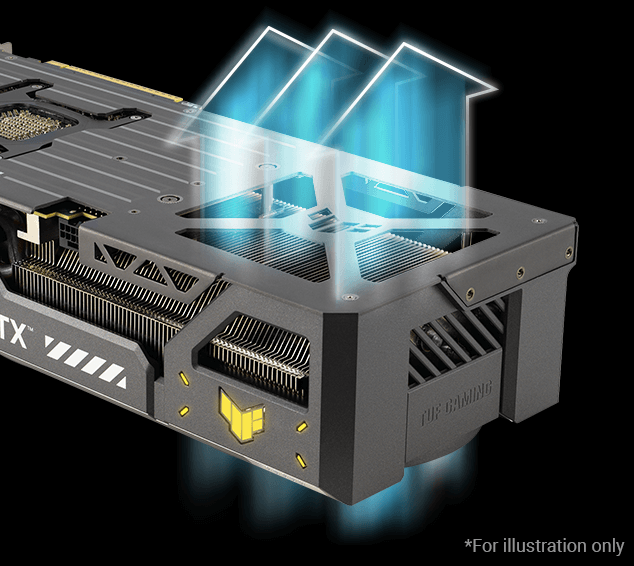
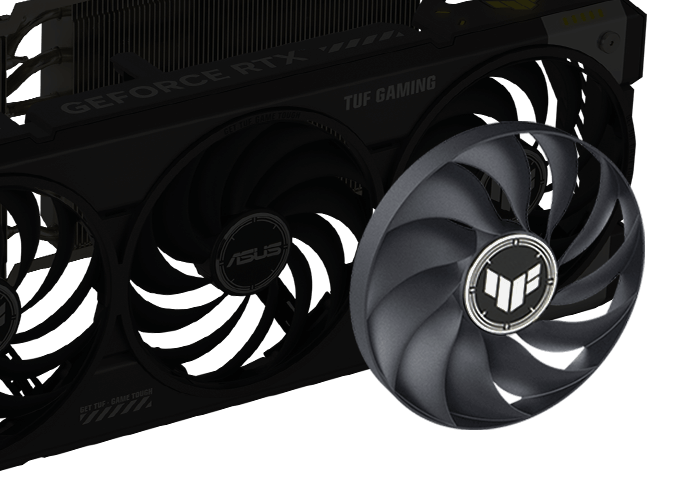
The reference interface is PCI Express Gen 5. Display connectivity is three DisplayPort 2.1b and one HDMI 2.1b. Case clearance and slot thickness vary on partner models unless a Founders Edition dimension is stated, so check the exact manufacturer’s product page before ordering.
Who should consider it?
It makes most sense for a buyer moving from an older xx70 or lower-tier card who wants NVIDIA’s current feature stack and plays mainly at 1440p. Existing RTX 4070 owners should compare the improvement with the total cost rather than upgrade on generation name alone.
The main alternative is AMD’s Radeon RX 9070, while RTX 5070 Ti and RX 9070 XT are the step-up options. Compare actual street prices, VRAM capacity, power supply requirements and the games or applications you use before treating one model as the automatic choice.
UK and US price checks
The retailer buttons on this page are plain, non-affiliate links. 5000 Series currently receives no commission from them. They are provided to make regional price checking easier while affiliate applications are pending; any future tracked link will be clearly labelled and will not influence the editorial verdict.
Review and sources
Read the full NVIDIA GeForce RTX 5070 Review for the evidence-based assessment, performance context, pros, cons and verdict. Official specifications were checked against NVIDIA’s product information; the Review separately attributes the independent benchmark evidence it uses.
Specification notes
Published specifications describe reference behaviour. Add-in-board models may change boost targets, coolers, dimensions, connectors and warranty terms. Driver updates can also alter measured performance. We record launch MSRP for historical comparison and recommend confirming a live price immediately before purchase.